The Small Maintenance Task That Protects Your Home in a Big Way

Every household has a list of maintenance tasks that get pushed to the back burner when life gets busy. Some of those delays are harmless. Others carry consequences that build quietly in the background until something forces the issue in a way that is far more disruptive and expensive than the original task ever would have been. Dryer vent cleaning falls firmly into the second category.

Staying Ahead of a Risk Most Homeowners Underestimate

Taking this particular task seriously does not require a major time or financial commitment, which makes the tendency to overlook it even more frustrating in hindsight. Homeowners who have scheduled Pinetop Dryer-Vent Cleaning with a qualified professional consistently find that the service addresses risks and performance issues they did not fully appreciate until the cleaning was done. Here is why staying current with this maintenance task is worth prioritizing throughout the year.

The Fire Risk Is Real and Well Documented

The most urgent reason to keep dryer vents clean is fire safety, and the data behind that concern is not something to take lightly. The US Fire Administration consistently identifies lint buildup in dryer vents as one of the leading causes of residential structure fires across the country. Lint is highly flammable, and it accumulates inside the vent duct with every single load of laundry in ways that are completely invisible from the outside. 

Performance Problems Are Often a Vent Problem in Disguise

One of the more practical immediate benefits of a professional dryer vent cleaning is the restoration of normal appliance performance that many homeowners do not realize they have lost. When lint restricts the airflow through the vent line, the dryer cannot efficiently exhaust the moist air generated during a drying cycle. Clothes take longer to dry, multiple cycles become necessary for a single load, and the appliance runs hotter than its design specifications intended. 

The Connection to Energy Efficiency Is Direct

Furthermore, a dryer operating against restricted airflow draws meaningfully more energy per cycle than one functioning with a clean and clear vent line. That additional energy consumption accumulates across every load of laundry run throughout the year and shows up as a gradual but consistent increase in monthly utility costs that most homeowners attribute to other causes without connecting it to their dryer. 

Mountain Homes Face Unique Considerations

Homes in forested mountain communities like Pinetop face a particular set of conditions that make dryer vent maintenance even more important than it might be in other settings. Longer vent runs required by certain home layouts create more surface area for lint accumulation and increase resistance to airflow even under normal operating conditions. Cold temperatures during winter months can cause condensation inside the duct that combines with lint to create dense blockages faster than warmer climates typically experience. 

Conclusion: Staying Ahead of a Risk Most Homeowners Underestimate

To wrap it all up, dryer vent cleaning is a maintenance task that delivers meaningful protection across multiple dimensions of household safety and efficiency with relatively little effort required from the homeowner. The fire risk, the performance impact, the energy efficiency connection, and the unique considerations that come with mountain home living all point toward the same conclusion. 

The Case for Hiring a Professional When Your Vehicle Needs to Move

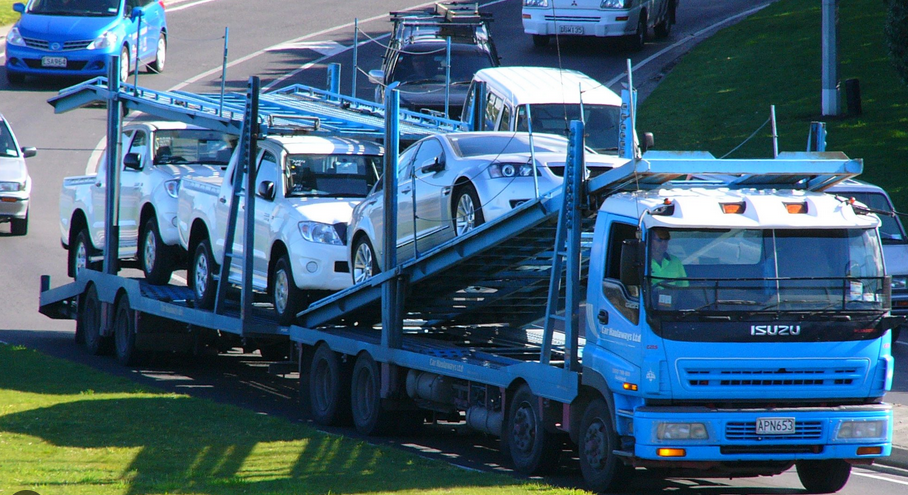
There is a moment in every long-distance vehicle move when the math stops favoring the drive. The fuel alone on a cross-country trip can run into hundreds of dollars, and that figure does not account for the meals, the hotel nights, the time away from work, or the additional mileage being added to an engine that may already have plenty of years on it. When all of those costs are laid out honestly, professional transport starts looking like the obvious choice.

Getting Your Vehicle Where It Needs to Go the Right Way

The key is knowing how to navigate the process so the experience matches the promise. Drivers and families who have arranged Escondido Vehicle Transport through a reputable carrier understand that the right preparation and the right company make all the difference between a smooth handoff and a headache that lingers long after delivery. Here is how to approach the process with confidence.

Timing Your Shipment Affects Both Price and Availability

One of the more practical aspects of vehicle transport that first-time shippers often overlook is how significantly timing influences both cost and carrier availability. Peak moving seasons, particularly the summer months between May and September, drive demand for transport services to its highest point of the year, pushing prices up and extending lead times for pickup scheduling. Booking during off-peak periods when carrier availability is more favorable can produce meaningful savings without sacrificing service quality. 

Broker Versus Direct Carrier Is a Distinction Worth Understanding

Many shippers encounter both brokers and direct carriers during their search for transport services and benefit from understanding the difference before committing to a booking. Brokers do not own trucks or employ drivers directly. Instead they operate as intermediaries, connecting customers with carriers from a broader network and earning a fee for the match. Direct carriers own their equipment and employ the drivers who handle your vehicle from pickup to delivery. 

Specialty Vehicles Require Extra Consideration

Furthermore, not all vehicles ship the same way, and owners of specialty vehicles including classic cars, modified trucks, luxury sedans, and non-running vehicles need to communicate those details clearly when requesting quotes and booking service. Non-running vehicles require carriers equipped with winches or skates for loading and unloading and typically carry a surcharge that reflects the additional equipment and labor involved. High-value vehicles often warrant enclosed transport rather than open carrier shipping to protect against weather exposure and road debris during transit. 

What to Do When Your Vehicle Arrives

The delivery moment is one that deserves as much attention as the pickup, and many shippers make the mistake of treating it as a formality rather than a critical checkpoint. Before signing any delivery documentation, conduct a thorough inspection of the vehicle in good lighting, comparing its current condition against the photographs and inspection report completed at pickup. Check for any new scratches, dents, or damage that was not present before transport and note any concerns on the delivery paperwork before the driver departs. 

Conclusion: Getting Your Vehicle Where It Needs to Go the Right Way

To wrap it all up, professional vehicle transport is a service that delivers genuine value when approached with the right knowledge and the right expectations. Timing your shipment strategically, understanding the difference between brokers and direct carriers, communicating your vehicle’s specific needs upfront, and conducting a careful inspection at delivery are the practices that protect your investment and ensure the experience goes as smoothly as possible from start to finish. 

How to Move a Vehicle Long Distance Without the Stress of Driving It

Long distance driving sounds manageable in theory until the reality of it sets in. Hundreds or thousands of miles behind the wheel means fuel stops, overnight stays, fatigue, and the kind of wear on a vehicle that adds up in ways that are not always immediately visible. For anyone relocating, purchasing a vehicle remotely, or sending a car to a family member across the country, there is a significantly better way to handle the situation.

What a Smooth Car Shipping Experience Actually Looks Like

The difference between a frustrating transport experience and a seamless one almost always comes down to preparation and choosing the right company for the job. Customers who have arranged Escondido Car Shipping with a reliable carrier know that working with professionals who communicate clearly and handle the logistics competently transforms what could be a stressful process into a straightforward transaction. Here is what to prioritize when planning your shipment.

Research the Company Before You Commit to Anything

The auto transport industry includes a wide spectrum of operators ranging from highly professional carriers with strong track records to brokers who prioritize filling orders quickly over matching customers with quality service providers. Before booking with any company, take the time to read verified customer reviews, check their rating with the Better Business Bureau, and confirm that their operating authority and insurance credentials are current and legitimate.

Quotes That Seem Too Low Usually Are

Pricing transparency is one of the clearest indicators of a trustworthy auto transport company. Reputable carriers provide quotes that reflect the actual factors influencing cost including route distance, vehicle dimensions, transport type, and current carrier availability on the requested lane. Unusually low quotes that seem disconnected from market rates often signal a brokerage model that plans to assign your vehicle to the lowest-cost available carrier after booking, sometimes resulting in delays, poor communication, and service quality that falls well short of expectations. 

Terminal and Door to Door Service Suit Different Needs

One practical decision every shipper faces is choosing between door-to-door and terminal-to-terminal service. Door-to-door transport sends the carrier directly to your specified pickup and delivery addresses, minimizing the effort required on your end and offering the most convenient overall experience. Terminal-to-terminal service requires dropping off and collecting the vehicle at designated locations, typically at a lower cost but with added coordination requirements on the customer’s side. 

Document Everything Before and After Transport

Furthermore, the condition report completed at pickup is one of the most important documents in the entire shipping process and one that many first-time shippers underestimate until they need it. Walk around the vehicle with the driver before loading, photograph every panel, corner, and surface in clear lighting, and ensure both parties sign the inspection form before the carrier departs. Repeat the same process at delivery, comparing the vehicle’s condition against the original documentation before signing the final paperwork. 

Conclusion: What a Smooth Car Shipping Experience Actually Looks Like

To wrap it all up, shipping a vehicle successfully comes down to the quality of the decisions made before the carrier ever arrives. Vetting the company thoroughly, understanding how pricing works, choosing the right service format for your situation, and documenting your vehicle’s condition at both ends of the journey are the habits that separate confident shippers from frustrated ones. 

How Homeowners Are Taking Control of Their Energy Costs for Good

Electricity bills have a way of climbing steadily year after year while the service delivering them stays essentially the same. For homeowners who have watched that number grow on their monthly statement without a clear explanation or any real recourse, the frustration is familiar. The good news is that the tools to change that equation are more accessible and more affordable than they have ever been.

Making Solar Work for Your Home from the Start

Getting the most out of a solar investment comes down to understanding the process before committing to a purchase. Homeowners who have researched Show Low Solar Kits know that the White Mountain region offers genuinely strong solar potential, and that pairing the right system with the right setup makes all the difference between modest savings and a truly transformative reduction in energy costs. Here is what to focus on from the very beginning.

Your Roof Condition and Orientation Matter More Than You Think

Before selecting any solar equipment, the physical characteristics of your roof deserve careful evaluation. A south-facing roof with minimal shading receives the most consistent sun exposure throughout the day and produces the highest energy yield from the same number of panels compared to other orientations. East and west-facing installations still perform well but generate less total output. 

Understanding What Each Component Actually Does

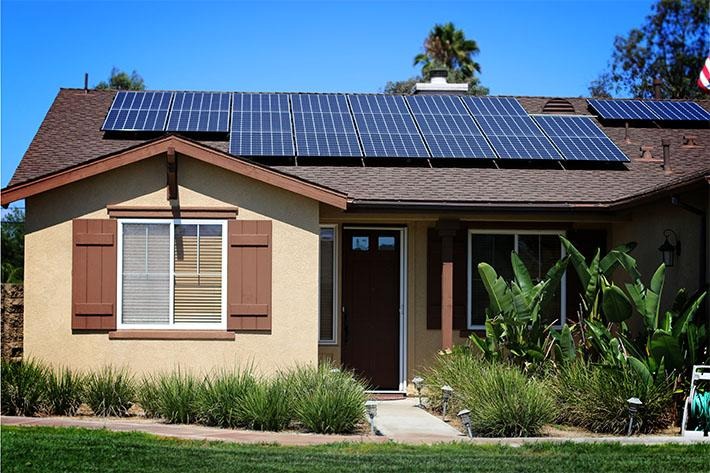
A residential solar kit brings together several components that each play a specific and essential role in turning sunlight into usable household electricity. Panels capture solar energy and convert it into direct current electricity. An inverter transforms that DC power into the alternating current that standard home appliances and the electrical grid operate on. Mounting hardware secures the panels to the roof structure safely and at the optimal angle for energy production. Monitoring systems give homeowners real-time visibility into how much power the system is generating and consuming at any given moment. 

Net Metering Can Turn Your Roof into a Revenue Source

Furthermore, homeowners connected to the utility grid have access to net metering programs that dramatically improve the financial return on a solar installation. When your system produces more electricity than your household consumes, the excess power flows back into the grid and earns credits on your utility account. Those credits offset the cost of power drawn from the grid during evening hours or overcast days when your panels are producing less than your household needs. 

Incentives Make the Upfront Investment More Manageable

The financial case for solar becomes even stronger when available incentives are factored into the total cost calculation. The federal investment tax credit currently allows homeowners to deduct a significant percentage of their total solar installation cost directly from their federal tax liability, representing meaningful savings on a system of any size. State-level incentives, utility rebates, and financing programs can further reduce the effective upfront cost for qualifying homeowners. 

Conclusion: Making Solar Work for Your Home from the Start

To wrap it all up, going solar is a decision that rewards preparation and attention to detail at every stage of the process. Evaluating your roof condition and orientation, understanding how each system component contributes to overall performance, taking advantage of net metering, and maximizing available financial incentives all work together to produce an outcome that delivers real and lasting value. 

Why Standby Power Is No Longer a Luxury for Rural Homeowners

Power outages in rural and semi-rural areas carry a different weight than they do in densely populated neighborhoods where utility crews prioritize restoration quickly. When a storm rolls through and takes out the lines serving a property miles from the nearest town, the timeline for getting power back can stretch from hours into days without warning or guarantee.

Keeping Your Home Running When the Grid Goes Down

Having a plan for that scenario before it happens is the difference between a manageable inconvenience and a genuinely disruptive crisis. Homeowners who have explored Show Low Standby Generators understand that reliable backup power is less about comfort and more about protecting the systems and investments that keep a household functioning through extended outages. Here is what every rural and semi-rural homeowner should know about standby power.

Standby Generators Respond Without Any Action from You

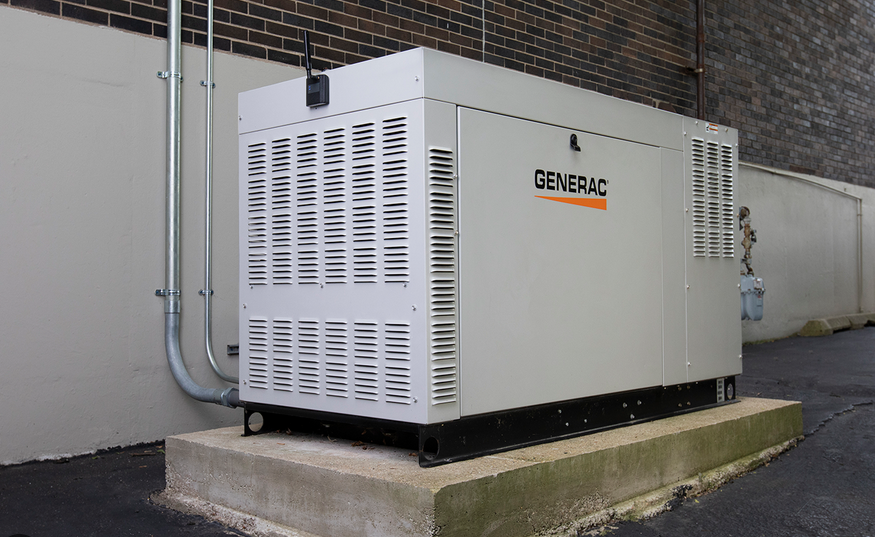
The defining advantage of a standby generator over a portable unit is the automatic response it delivers the moment utility power is interrupted. Within seconds of detecting an outage, a properly installed standby generator starts itself, transfers the electrical load, and restores power to the home without requiring the homeowner to do anything at all. That automatic operation matters enormously during nighttime outages, severe weather events, or situations where the homeowner is traveling and the property is unoccupied.

Well Pumps and Septic Systems Make Backup Power Essential

For properties that rely on private wells and septic systems rather than municipal utilities, an extended power outage creates problems that go well beyond losing lights and refrigeration. Without electricity, the well pump cannot operate, which means no running water for drinking, cooking, sanitation, or livestock care. Septic systems with electric pumps face similar limitations. These are not minor inconveniences for rural households but fundamental failures of the infrastructure the property depends on daily. 

Sizing the System to Your Real Power Needs

Furthermore, selecting the right generator capacity for your household requires a realistic assessment of the loads the system needs to carry during an outage. Whole-home coverage that powers every circuit simultaneously requires a larger and more expensive unit than a system sized to cover only the essential circuits like the well pump, refrigeration, heating and cooling, and basic lighting. Many homeowners work with a licensed electrician to perform a proper load calculation before selecting a unit.

Fuel Source Selection Has Long Term Implications

The fuel type a standby generator runs on has practical consequences that extend well beyond the initial purchase decision. Propane and natural gas units connect to an existing supply and eliminate the logistical challenge of storing and rotating liquid fuel through seasons of non-use. This matters especially for generators that may sit idle for months at a time between outages. Gasoline and diesel units offer flexibility in areas where gas line infrastructure is unavailable, but require diligent fuel management to ensure the system is ready to perform when an outage actually occurs. 

Conclusion: Keeping Your Home Running When the Grid Goes Down

To wrap it all up, standby generator ownership for rural and semi-rural properties is a practical investment in continuity rather than a luxury upgrade. Automatic response capability, protection for well and septic systems, proper system sizing, and thoughtful fuel source selection are the pillars of a backup power setup that genuinely delivers when the grid fails. The next outage will come without much warning.