
How Homeowners Are Taking Control of Their Energy Costs for Good

Electricity bills have a way of climbing steadily year after year while the service delivering them stays essentially the same. For homeowners who have watched that number grow on their monthly statement without a clear explanation or any real recourse, the frustration is familiar. The good news is that the tools to change that equation are more accessible and more affordable than they have ever been.
Making Solar Work for Your Home from the Start

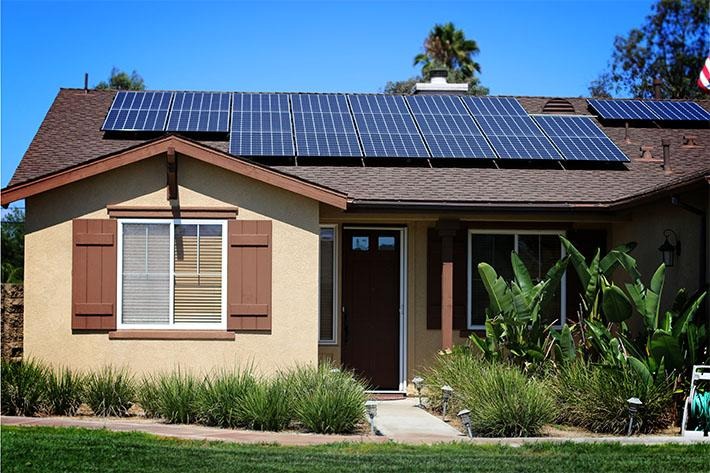
Getting the most out of a solar investment comes down to understanding the process before committing to a purchase. Homeowners who have researched Show Low Solar Kits know that the White Mountain region offers genuinely strong solar potential, and that pairing the right system with the right setup makes all the difference between modest savings and a truly transformative reduction in energy costs. Here is what to focus on from the very beginning.

Your Roof Condition and Orientation Matter More Than You Think

Before selecting any solar equipment, the physical characteristics of your roof deserve careful evaluation. A south-facing roof with minimal shading receives the most consistent sun exposure throughout the day and produces the highest energy yield from the same number of panels compared to other orientations. East and west-facing installations still perform well but generate less total output. 

Understanding What Each Component Actually Does

A residential solar kit brings together several components that each play a specific and essential role in turning sunlight into usable household electricity. Panels capture solar energy and convert it into direct current electricity. An inverter transforms that DC power into the alternating current that standard home appliances and the electrical grid operate on. Mounting hardware secures the panels to the roof structure safely and at the optimal angle for energy production. Monitoring systems give homeowners real-time visibility into how much power the system is generating and consuming at any given moment. 

Net Metering Can Turn Your Roof into a Revenue Source

Furthermore, homeowners connected to the utility grid have access to net metering programs that dramatically improve the financial return on a solar installation. When your system produces more electricity than your household consumes, the excess power flows back into the grid and earns credits on your utility account. Those credits offset the cost of power drawn from the grid during evening hours or overcast days when your panels are producing less than your household needs. 

Incentives Make the Upfront Investment More Manageable

The financial case for solar becomes even stronger when available incentives are factored into the total cost calculation. The federal investment tax credit currently allows homeowners to deduct a significant percentage of their total solar installation cost directly from their federal tax liability, representing meaningful savings on a system of any size. State-level incentives, utility rebates, and financing programs can further reduce the effective upfront cost for qualifying homeowners. 

Conclusion: Making Solar Work for Your Home from the Start

To wrap it all up, going solar is a decision that rewards preparation and attention to detail at every stage of the process. Evaluating your roof condition and orientation, understanding how each system component contributes to overall performance, taking advantage of net metering, and maximizing available financial incentives all work together to produce an outcome that delivers real and lasting value. 
Why Standby Power Is No Longer a Luxury for Rural Homeowners

Power outages in rural and semi-rural areas carry a different weight than they do in densely populated neighborhoods where utility crews prioritize restoration quickly. When a storm rolls through and takes out the lines serving a property miles from the nearest town, the timeline for getting power back can stretch from hours into days without warning or guarantee.

Keeping Your Home Running When the Grid Goes Down

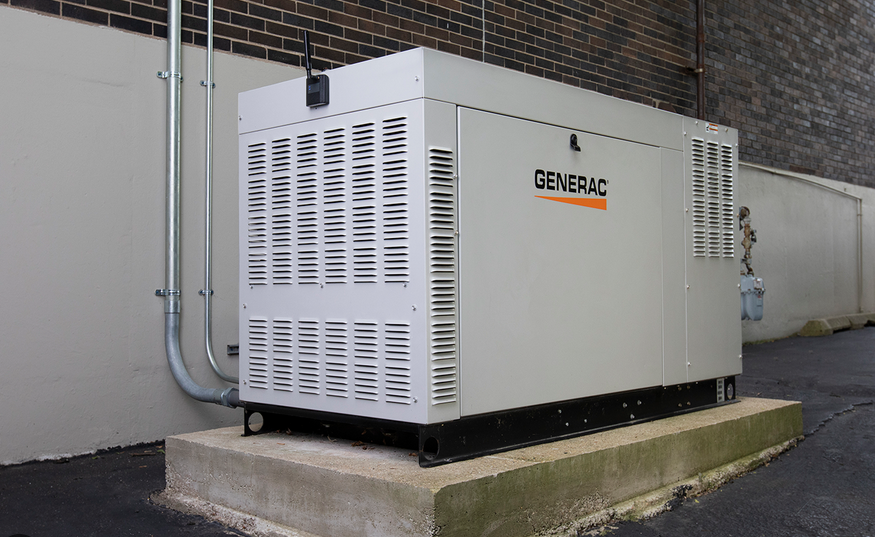
Having a plan for that scenario before it happens is the difference between a manageable inconvenience and a genuinely disruptive crisis. Homeowners who have explored Show Low Standby Generators understand that reliable backup power is less about comfort and more about protecting the systems and investments that keep a household functioning through extended outages. Here is what every rural and semi-rural homeowner should know about standby power.

Standby Generators Respond Without Any Action from You

The defining advantage of a standby generator over a portable unit is the automatic response it delivers the moment utility power is interrupted. Within seconds of detecting an outage, a properly installed standby generator starts itself, transfers the electrical load, and restores power to the home without requiring the homeowner to do anything at all. That automatic operation matters enormously during nighttime outages, severe weather events, or situations where the homeowner is traveling and the property is unoccupied.

Well Pumps and Septic Systems Make Backup Power Essential

For properties that rely on private wells and septic systems rather than municipal utilities, an extended power outage creates problems that go well beyond losing lights and refrigeration. Without electricity, the well pump cannot operate, which means no running water for drinking, cooking, sanitation, or livestock care. Septic systems with electric pumps face similar limitations. These are not minor inconveniences for rural households but fundamental failures of the infrastructure the property depends on daily. 

Sizing the System to Your Real Power Needs

Furthermore, selecting the right generator capacity for your household requires a realistic assessment of the loads the system needs to carry during an outage. Whole-home coverage that powers every circuit simultaneously requires a larger and more expensive unit than a system sized to cover only the essential circuits like the well pump, refrigeration, heating and cooling, and basic lighting. Many homeowners work with a licensed electrician to perform a proper load calculation before selecting a unit.

Fuel Source Selection Has Long Term Implications

The fuel type a standby generator runs on has practical consequences that extend well beyond the initial purchase decision. Propane and natural gas units connect to an existing supply and eliminate the logistical challenge of storing and rotating liquid fuel through seasons of non-use. This matters especially for generators that may sit idle for months at a time between outages. Gasoline and diesel units offer flexibility in areas where gas line infrastructure is unavailable, but require diligent fuel management to ensure the system is ready to perform when an outage actually occurs. 

Conclusion: Keeping Your Home Running When the Grid Goes Down

To wrap it all up, standby generator ownership for rural and semi-rural properties is a practical investment in continuity rather than a luxury upgrade. Automatic response capability, protection for well and septic systems, proper system sizing, and thoughtful fuel source selection are the pillars of a backup power setup that genuinely delivers when the grid fails. The next outage will come without much warning.