
Electricity bills have a way of climbing steadily year after year while the service delivering them stays essentially the same. For homeowners who have watched that number grow on their monthly statement without a clear explanation or any real recourse, the frustration is familiar. The good news is that the tools to change that equation are more accessible and more affordable than they have ever been.
Making Solar Work for Your Home from the Start
Getting the most out of a solar investment comes down to understanding the process before committing to a purchase. Homeowners who have researched Show Low Solar Kits know that the White Mountain region offers genuinely strong solar potential, and that pairing the right system with the right setup makes all the difference between modest savings and a truly transformative reduction in energy costs. Here is what to focus on from the very beginning.
Your Roof Condition and Orientation Matter More Than You Think
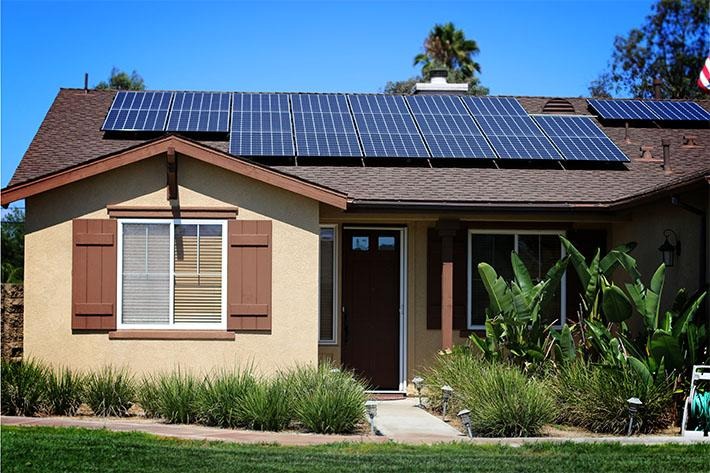
Before selecting any solar equipment, the physical characteristics of your roof deserve careful evaluation. A south-facing roof with minimal shading receives the most consistent sun exposure throughout the day and produces the highest energy yield from the same number of panels compared to other orientations. East and west-facing installations still perform well but generate less total output.
Understanding What Each Component Actually Does
A residential solar kit brings together several components that each play a specific and essential role in turning sunlight into usable household electricity. Panels capture solar energy and convert it into direct current electricity. An inverter transforms that DC power into the alternating current that standard home appliances and the electrical grid operate on. Mounting hardware secures the panels to the roof structure safely and at the optimal angle for energy production. Monitoring systems give homeowners real-time visibility into how much power the system is generating and consuming at any given moment.
Net Metering Can Turn Your Roof into a Revenue Source
Furthermore, homeowners connected to the utility grid have access to net metering programs that dramatically improve the financial return on a solar installation. When your system produces more electricity than your household consumes, the excess power flows back into the grid and earns credits on your utility account. Those credits offset the cost of power drawn from the grid during evening hours or overcast days when your panels are producing less than your household needs.
Incentives Make the Upfront Investment More Manageable
The financial case for solar becomes even stronger when available incentives are factored into the total cost calculation. The federal investment tax credit currently allows homeowners to deduct a significant percentage of their total solar installation cost directly from their federal tax liability, representing meaningful savings on a system of any size. State-level incentives, utility rebates, and financing programs can further reduce the effective upfront cost for qualifying homeowners.
Conclusion: Making Solar Work for Your Home from the Start
To wrap it all up, going solar is a decision that rewards preparation and attention to detail at every stage of the process. Evaluating your roof condition and orientation, understanding how each system component contributes to overall performance, taking advantage of net metering, and maximizing available financial incentives all work together to produce an outcome that delivers real and lasting value.
Recent Comments