
Power outages in rural and semi-rural areas carry a different weight than they do in densely populated neighborhoods where utility crews prioritize restoration quickly. When a storm rolls through and takes out the lines serving a property miles from the nearest town, the timeline for getting power back can stretch from hours into days without warning or guarantee.
Keeping Your Home Running When the Grid Goes Down
Having a plan for that scenario before it happens is the difference between a manageable inconvenience and a genuinely disruptive crisis. Homeowners who have explored Show Low Standby Generators understand that reliable backup power is less about comfort and more about protecting the systems and investments that keep a household functioning through extended outages. Here is what every rural and semi-rural homeowner should know about standby power.
Standby Generators Respond Without Any Action from You
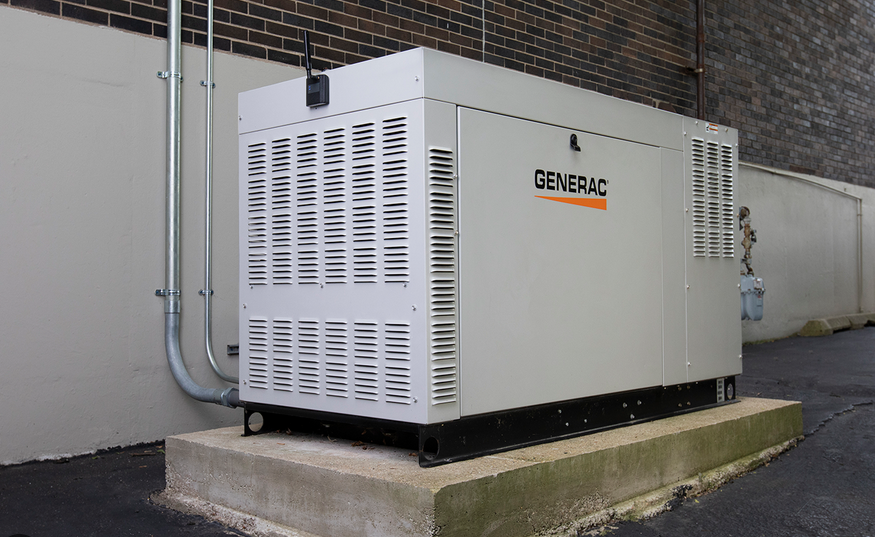
The defining advantage of a standby generator over a portable unit is the automatic response it delivers the moment utility power is interrupted. Within seconds of detecting an outage, a properly installed standby generator starts itself, transfers the electrical load, and restores power to the home without requiring the homeowner to do anything at all. That automatic operation matters enormously during nighttime outages, severe weather events, or situations where the homeowner is traveling and the property is unoccupied.
Well Pumps and Septic Systems Make Backup Power Essential
For properties that rely on private wells and septic systems rather than municipal utilities, an extended power outage creates problems that go well beyond losing lights and refrigeration. Without electricity, the well pump cannot operate, which means no running water for drinking, cooking, sanitation, or livestock care. Septic systems with electric pumps face similar limitations. These are not minor inconveniences for rural households but fundamental failures of the infrastructure the property depends on daily.
Sizing the System to Your Real Power Needs
Furthermore, selecting the right generator capacity for your household requires a realistic assessment of the loads the system needs to carry during an outage. Whole-home coverage that powers every circuit simultaneously requires a larger and more expensive unit than a system sized to cover only the essential circuits like the well pump, refrigeration, heating and cooling, and basic lighting. Many homeowners work with a licensed electrician to perform a proper load calculation before selecting a unit.
Fuel Source Selection Has Long Term Implications
The fuel type a standby generator runs on has practical consequences that extend well beyond the initial purchase decision. Propane and natural gas units connect to an existing supply and eliminate the logistical challenge of storing and rotating liquid fuel through seasons of non-use. This matters especially for generators that may sit idle for months at a time between outages. Gasoline and diesel units offer flexibility in areas where gas line infrastructure is unavailable, but require diligent fuel management to ensure the system is ready to perform when an outage actually occurs.
Conclusion: Keeping Your Home Running When the Grid Goes Down
To wrap it all up, standby generator ownership for rural and semi-rural properties is a practical investment in continuity rather than a luxury upgrade. Automatic response capability, protection for well and septic systems, proper system sizing, and thoughtful fuel source selection are the pillars of a backup power setup that genuinely delivers when the grid fails. The next outage will come without much warning.
Recent Comments